

Providing For Different Pets’ Needs
Pets can provide us with purpose, good company, and affection if we put some thought into choosing the right pets. Carefully considering which pet to get by making sure you can provide for its needs can make pet ownership fun and rewarding. It could also lower the number of surrenders at Humane Societies.
Be responsible. Check out the needs of the pet you want before getting it. Things to consider include space, how much time they need to be spent with them, and how much time you can give. Remember: all pets make some sort of mess that will need to be cleaned.
The expense is also a consideration. Emergencies and illness may arise. Emergency veterinary care can be expensive. Have the means to handle one or check into a pet insurance plan.
Use the following quick reference, From Horses To Hermit Crabs, to help you develop a pro/con list to use as one indicator to determine whether or not the pet you have in mind is a good fit for you.

Horses as Pets
Horses are amazing animals. They are also the pet requiring the most attention. Space obviously is an issue. Horses live long lifespans, up to 30 years. Horse ownership is a long-term commitment.
Space: Horses need a large fenced area-one acre per horse-and a stable with hay for bedding. Ideally, this would be on your own property.
Just because horses can’t curl up in your lap doesn’t necessarily mean he wouldn’t like to.
Horses can be very sociable and affectionate animals. Having your horse closer by than boarding stables would be the easiest way to provide a horse with companionship.
Time: Horses need to be groomed before and after riding or at least three times a week when not ridden. Consider the amount of time you will have to spend with your horse. It is important to be around them often to check for wellness. As the owner, you will be able to notice any signs of illness more easily than anyone else.
Expense: If you must board your horse, check into a good boarding stable first to find out the cost. Horses will need plenty of feed, hay, and fresh water. Horses are initially expensive and will also be costly to maintain. Consider the cost of riding equipment as well.

Dogs As Pets
Dogs are loving, faithful pets if brought up correctly. There is a reason they are known as “man’s best friend”. They are the most popular pet.
Space: The size of the dog is the determining factor for space.A fenced yard is really helpful for dog owners. Your dog can give you space while having his own.
Provide bones, a toy, and maybe even his very own house. Your dog (and you) can get plenty of exercise if outdoor space is limited to walking. Many apartment complexes have gated dog parks for tenants. Check into nearby off-leash dog parks as well.
Time: The biggest factor to consider is in caring for new puppies. Puppies need loads of attention. Getting a new puppy during vacation time is highly recommended, or even taking a “puppy maternity leave.” The new puppy needs to go out every two hours. Puppy pads by the door can suffice, but for best results, someone needs to be around during the day. With patience, dogs can safely be left at home inside during the workday after a walk and a potty break.
Take time to play and interact with your dog. Time for training to obey basic commands will pay off in better behavior.
Expense: Like a baby, puppies get vaccinations in a series. Dogs need yearly vaccinations and check-ups, heartworm treatment, flea and tick control, and spay/neutering.
You can’t leave a dog and go off on vacation. Boarding the dog will require additional vaccinations. There are services available where someone will come to your home for a set amount of time while you are away. This is cheaper than boarding. Don’t forget good-quality food and toys. A bored dog can become destructive and display bad behavior.

Cats As Pets
Cats are affectionate and playful. Although they often appear to be independent, they still need human interaction.
Space: Cats will be healthy and happy entirely indoors. Take care to consider the environment if you plan for an outdoor or part-time outdoor cat. There are diseases and dangers to cats outdoors.
Time: Cats have differing personalities. Some will require more attention than others. If adopting an older cat, information on her personality will be available.
A major difference in dogs and cats is potty training. A new kitten will generally take to a litter box “like a duck to water.” But the litter box needs to be clean, or they won’t use it. Take time daily to remove waste and freshen with litter twice daily.
Expense: Cat vaccinations, spaying/neutering, and flea and tick control are all a little cheaper than for dogs. To ensure a healthy cat, plan on yearly check-ups. Cats love to scratch. Provide a scratching post and some toys. De-clawing cats is not recommended. Indoor and outdoor cats will need a caregiver if you leave for vacation, but for less time than dogs.
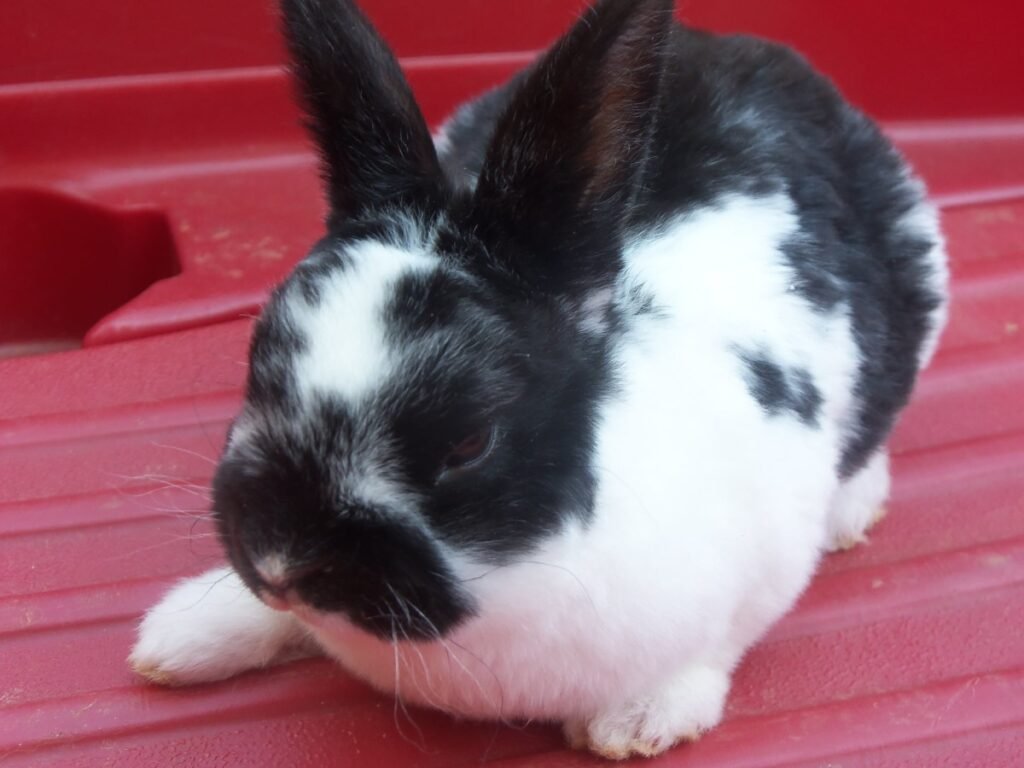
Rabbits As Pets
Rabbits are popular as pets. Check the local Humane Society for rabbits if you are considering adoption, just as you would a dog or cat.
Space: Rabbits need a roomy cage or outdoor fenced patio. If you have an unused playpen, this could be a money-saving option. Rabbits can do well playing loose in the house if you begin with a cage first. Let the rabbit out for short periods at first, then increase the time later.
Time: Rabbits can learn to use a litter box much like a cat. Put the litter box in the cage. A few minutes daily for cleaning will suffice. Rabbits are intelligent and sociable creatures. Spend time giving your rabbit gentle affection. If you plan to let your rabbit roam around the house, you will need to spend time “rabbit-proofing” the house. They will chew electrical cords. Brush your rabbit every day. They get hairballs like cats, but unlike cats, they can’t regurgitate them. This could mean a costly trip to the vet.
Expense: Include the cost of the cage, litter box and litter, food pellets, and toys in your estimate. They also need a fresh handful of hay each day. Rabbits don’t need vaccinations, but be sure it gets spayed/neutered by age three months. Even if not mating, they will be more aggressive if not spayed/neutered, and males tend to spray like cats. They will enjoy toys and treats like fresh carrots.
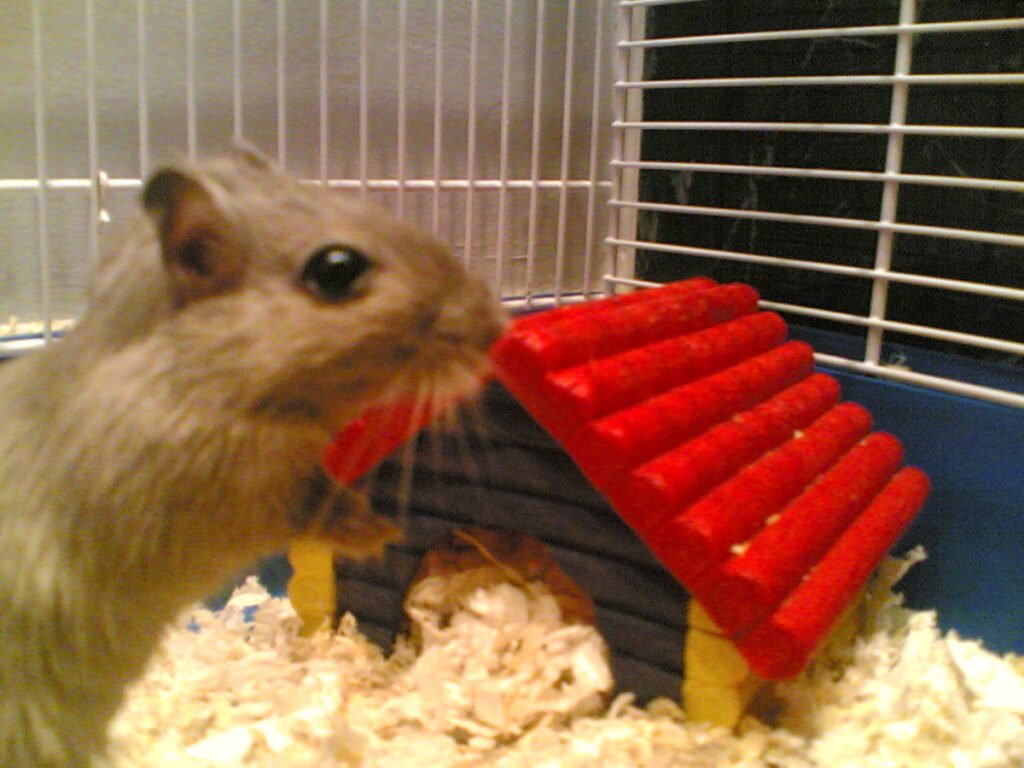
Don’t confuse gerbils with hamsters. Hamsters are more aggressive than gerbils. They are nocturnal animals and sleep for much of the day.
Space: A 10-gallon aquarium tank is a comfortable home for gerbils. Unlike rabbits, they can’t be trained to roam the house and return to the cage.
Time: Gerbils will love any human interaction they get. Unlike dogs and cats, they won’t misbehave if they don’t get it. Check the food supply and water bottle frequently. Your nose will tell when it is time to clean the cage.
Expense: Gerbils are one of the least expensive pets to purchase and maintain. In addition to the 10-gallon tank, furnish your gerbil with a mesh (for safety), an exercise wheel, a food dish, food, and a water bottle. Shredded newspaper can suffice as bedding.
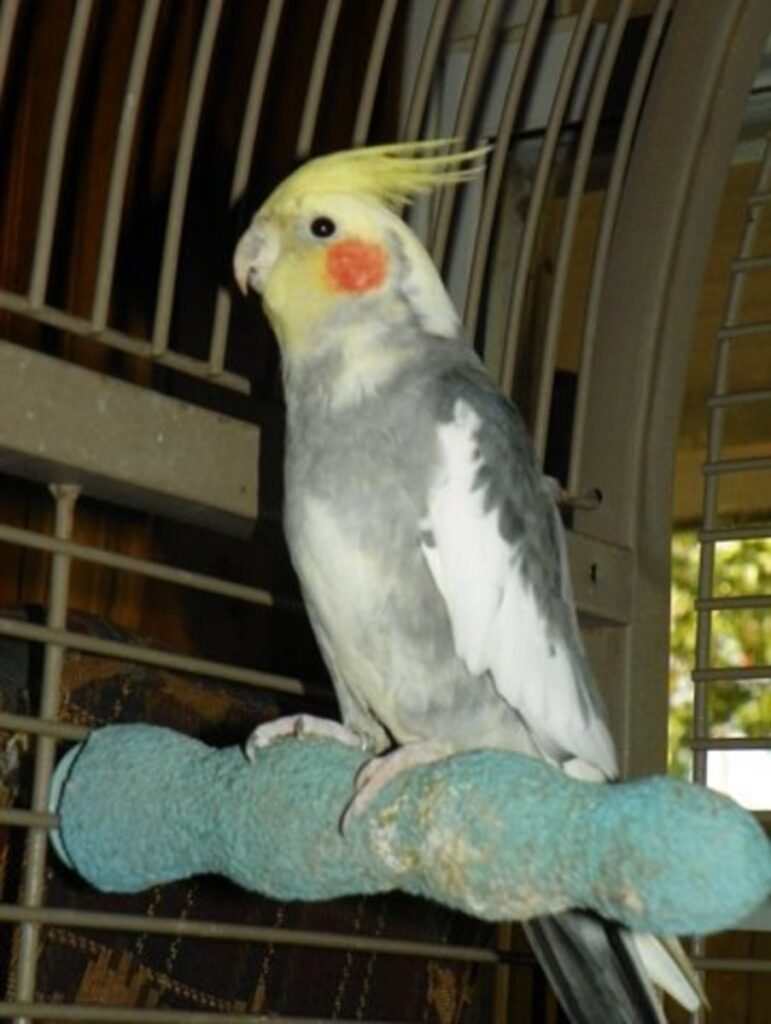
Birds As Pets
Birds are fun and sociable low-maintenance pets. Several species can learn to “talk” or mimic human sounds—research different bird species to find out which ones are the most sociable.
Space: Because birds are instinctively flocking animals, consider getting at least two birds. Purchase the largest cage you can afford, and they will be much happier. Bird lovers tend to “collect” birds. A large cage will accommodate the additions you will likely want.
Time: Minimal maintenance time makes birds an excellent choice for pets. Cages do need to be cleaned every other week. Some pet owners like to give birds a chance to fly free around the house for periods of time. These periods will need to be supervised, and it may take a while to get some birds back into the cage. Finches and canaries are the best choices if you have limited time. Some species, like the Macaw, can live very long lifespans- as long as humans. Consider this fact accordingly!
Expense: Birds are inexpensive as a start-up cost, except for larger, more exotic birds that need a special diet. They don’t need vaccinations but may become ill and need veterinary care. Spend the most on a nice, roomy cage.
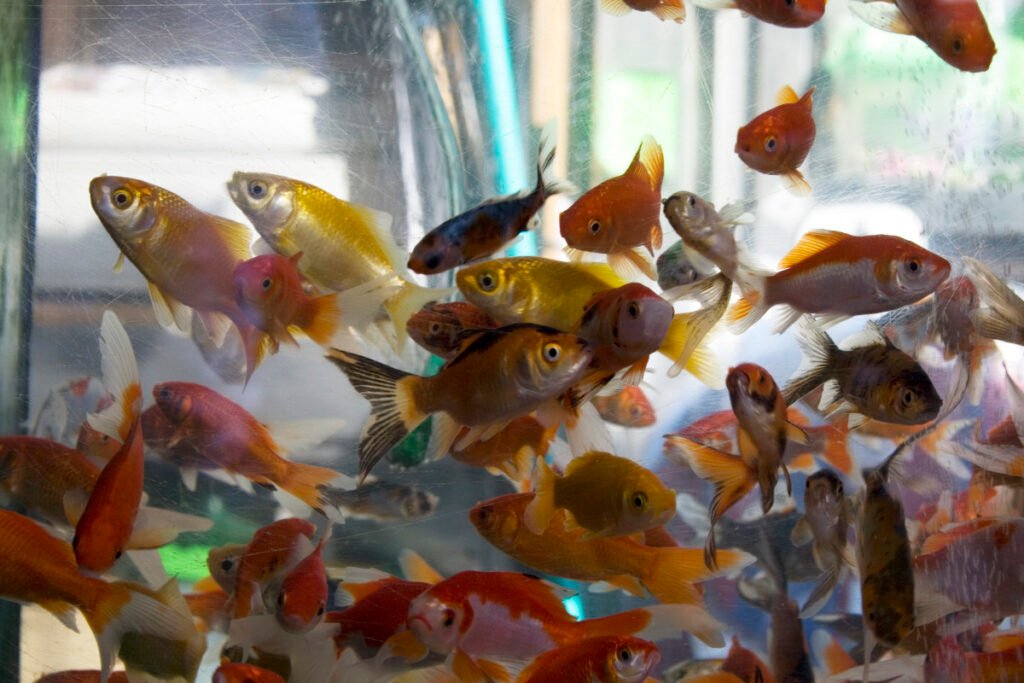
Fish As Pets
A tankful of fish is relaxing to watch. They are a good pet choice for people with allergies. They can’t cuddle, but you can name your buddies and have fun watching them playfully darting in and out of “castles” and aquarium plants.
Space: The size and number of the fish you choose will determine tank size. As with birds, purchase the most space affordable. Fish lovers are collectors too!
Time: Goldfish require the least care. Tropical fish require the most. Feed fish twice a day at the same times. Each week, replace one-fourth of the tank water with clean, conditioned water. Change water in the tank twice a month. Remove dead plants and algae.
Expense: The initial start-up fee for fish is all you need other than food supply. No shots or trips to the vet for fish!
Equipment needed:
- tank
- air pump
- heater
- filter
- fluorescent light
- sand or gravel
- tank decorations and plants add a fun touch
Exotic Pets
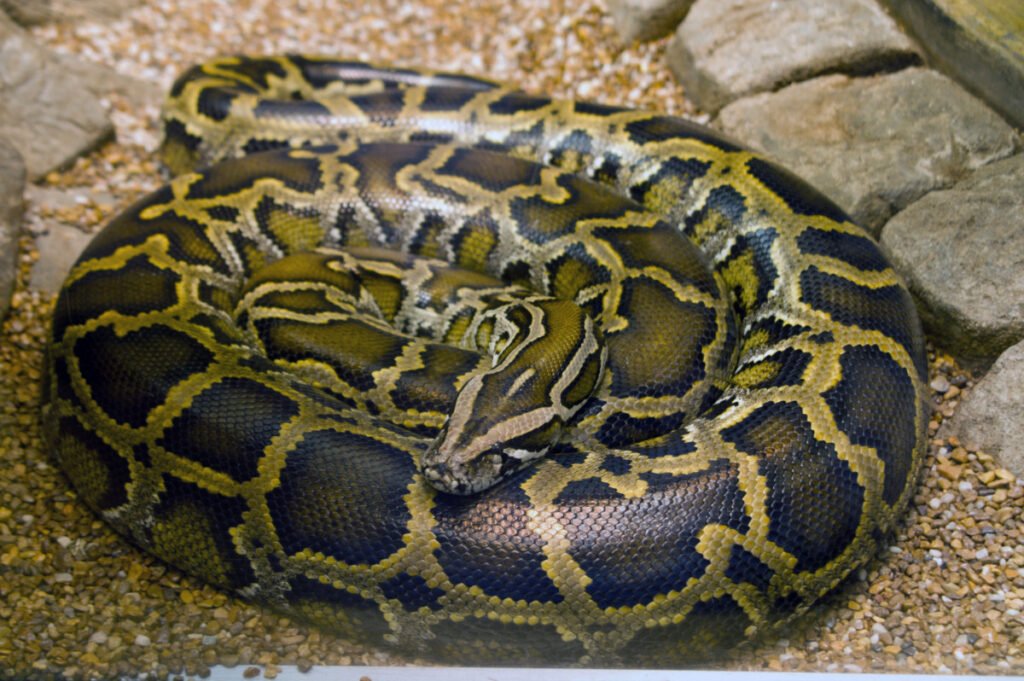
Animals not normally kept as pets are labeled “exotic pets”. Some of the most popular are snakes, scorpions, ferrets, and iguanas. Interesting and eccentric people often choose exotic pets.
Snakes
You would be surprised how popular snakes are as pets.
Space: Snakes eat and grow. They need cages large enough to be comfortable
Time: Providing a food supply is the most time-consuming factor for snake owners. They eat only other animals (prey). Some pet stores sell feeder animals, such as mice, for snakes. Breeding mice for food may be a more economical but time-consuming method. Frozen/thawed prey is a method that is available.
Expense: Obviously, the most expensive part of owning a snake is the feeding. Temperatures for snakes need to be warm, around 75 degrees, another expense to consider.
Scorpions
Scorpions are a challenge considering the love they give. But each to his own. No doubt they will be an interesting pet!
Space: A 10-gallon tank with a lid per Scorpion is sufficient.
Time: Spend time near your scorpion. They will learn to trust you. Mist the tank often; they need high humidity.
Expense: Scorpions need warm temperatures at all times. A heating mat under the tank is a necessity. Provide deep soil or peat for burrowing. Each Scorpion will need 3-6 crickets to eat per week. Sprinkle crickets with a vitamin supplement.
Ferrets
Ferrets are amusing, inquisitive, and fun to watch. They can be challenging to own but well worth it if you have the time involved.
Space: Keep ferrets in a cage, but they need plenty of time outside the cage every day. They are playful and active.
Time: Ferrets need a lot of supervision and a special diet. They can live up to 10 years, a large commitment!
Expense: Ferrets should be vaccinated yearly for rabies and dog distemper. They need a special diet containing only animal protein. Their food must be highly digestible and concentrated due to their very short digestive tracts.
Iguanas
You can’t cuddle with an iguana, but they are fun to watch. They love baths and are cute and playful in the tub.
Space: Iguanas will need at least a 10-gallon tank. They are not pets to be trained to roam free.
Time: Spend time letting your iguana get used to you. Feeding can be time-consuming. They eat fruit such as grapes, melons, and oranges. Chop the fruit up in a blender. Supervise their enjoyable bath times.
Expense: You will need to consider the price of food (fruit, egg whites, and crickets). Iguanas in captivity need immunizations every two years. They get it naturally in the wild by eating other iguanas’ poop!
Farm Animals As Pets
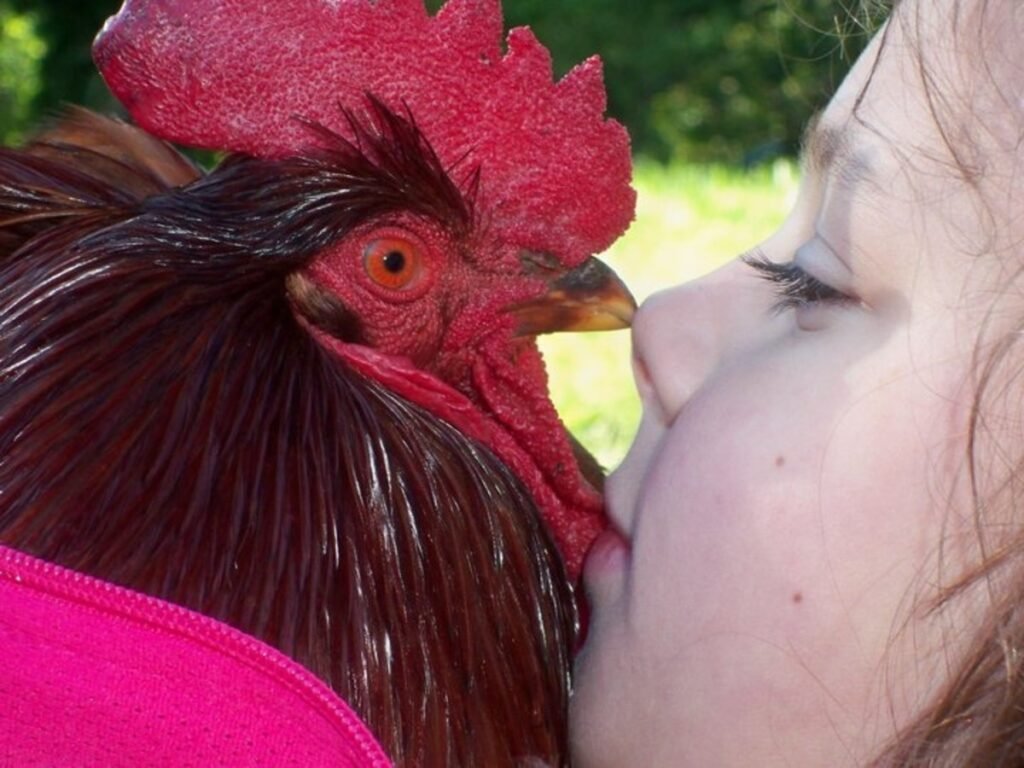
Those who take care of farm animals often grow fond of them. But the wise farmer knows the fine line between animals as pets and livestock. Pigs, for example, can be very intelligent and social. But they are raised as a food source, and the good farmer respects that. They provide comfort to the animals during life and the animals pay them back with a food source. Chickens and goats are the most common farm animals to be befriended as pets.
Chickens
Space: Free range means allowing chickens to wander and eat grubs or insects in addition to the grain they are fed. Organic eggs are very “in” because of food science research findings. You may see chickens in the backyard of some suburban homes, as some cities don’t include chickens as farm animals banned by zoning ordinances. They will need a shelter for roosting or egg-laying.
Time: Chickens need to be grain-fed twice daily. The chicken coop needs to be cleaned weekly, maybe more so in warm weather.
Expense: Chickens can be bought at livestock auctions for just a few dollars a piece. The only expense afterward is for food, water, and perhaps a heat lamp for cold weather. If you get a good supply of eggs, they may very well pay for themselves and make money for you!
Goats
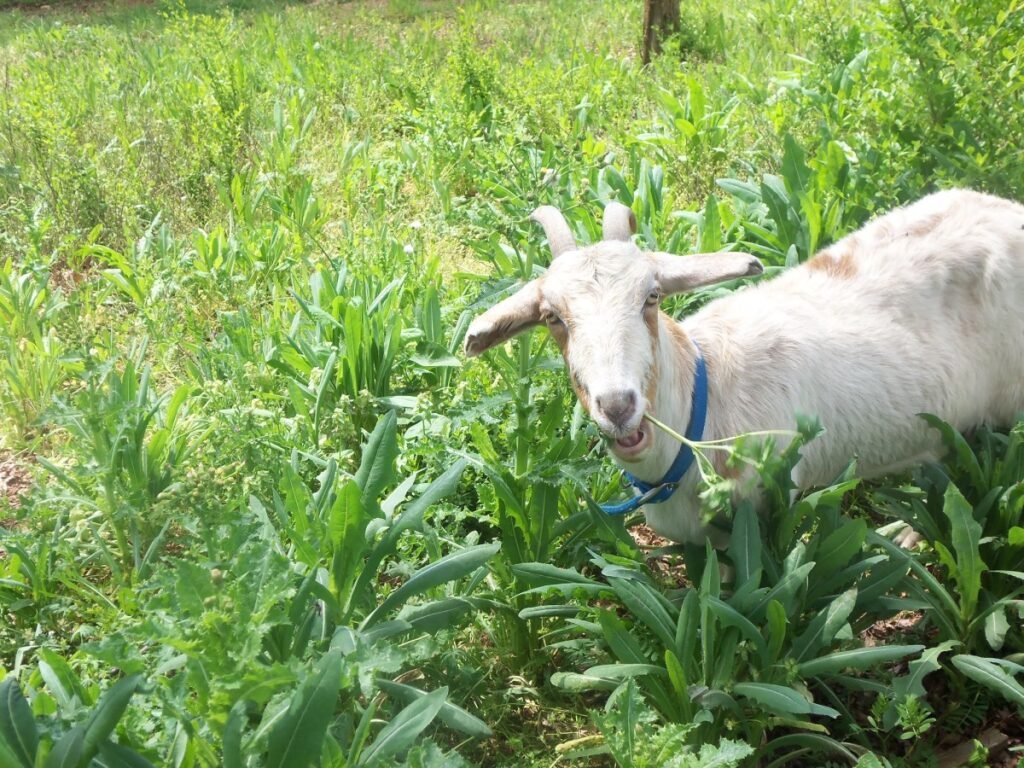
Goats are intelligent animals and make great pets. Nanny (female) goats that have just given birth to a “kid” produce warm, rich milk excellent for cheese making.
Space: Goats need a small pasture or large fenced yard for grazing. Some pet owners allow pet goats in the house, but they excrete waste often, and potty training them, although it is possible, is a monumental task. Otherwise, goats need an outside shelter at night and for inclement weather.
Time: The more room your goat has to graze, the less supervision needed. Goats don’t do well tied up. They will become angry and bleat loudly. They do need to socialize with you. They can be trained to walk on a leash and will love it. Goats help keep weeds cut back for you. Use the time you save from not weeding to take your goat for a walk!
Expense: Diet will be the highest cost. Goats need good grain that has balanced nutrients. Although farm animals are not required to be vaccinated, a rabies vaccine is peace of mind. You will probably need a vet that makes house calls. Only licensed veterinarians can administer rabies vaccinations.
Hermit Crabs As Pets
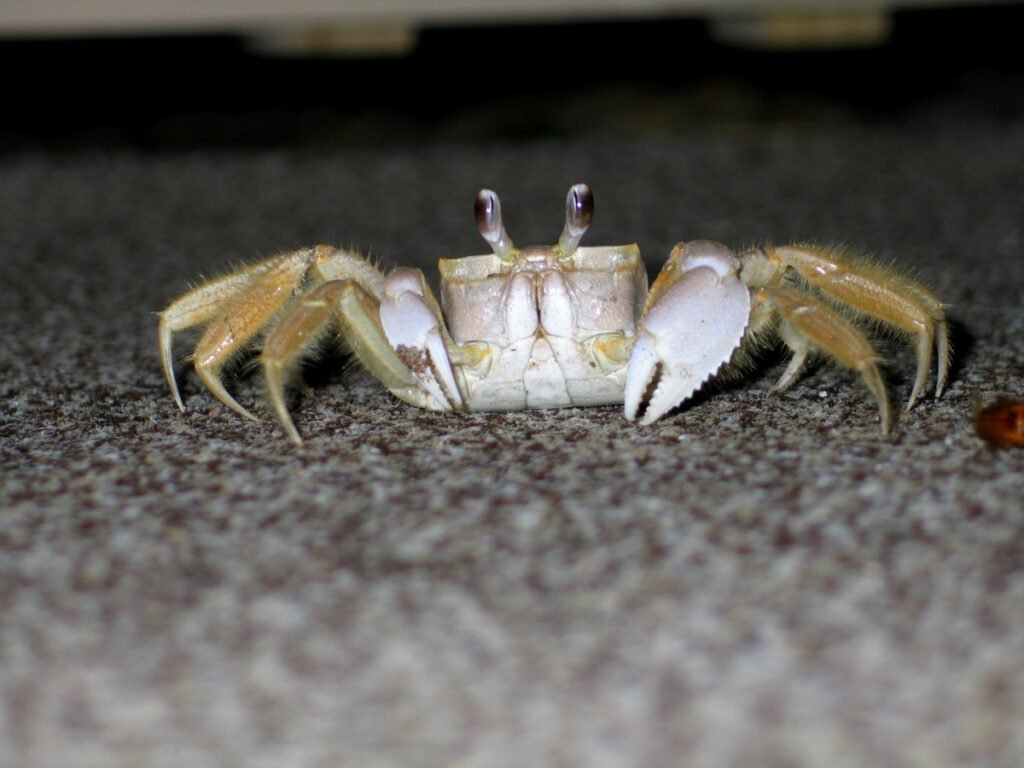
Although cute, hermit crabs are definitely not cuddly. They each have their own unique dispositions. Some are grouchy and “hermit-like”. Others are more active and outgoing. Low cost and maintenance, plus fun, make hermit crabs popular pets.
Space: Don’t try to keep hermit crabs in the pet store carrier that they are sold in. Make a “crabitat“ from a 10-gallon glass aquarium or make do with a larger pet carrier.
Time: You will enjoy watching hermit crabs and discovering each one’s unique personality. Feeding and cage cleaning are easy. They are the most fun and the most low-maintenance pets.
Expense: Hermit crabs and supplies are inexpensive. Don’t fall for the trick of buying expensive “hermit crab sand.” Any clean sand will do. Do provide objects in the crabitat for climbing and hiding. Give them only water that you would use in an aquarium. Let the water sit for a day or use tablets designed for dechlorination.
Choose Pets Carefully
From Horses to Hermit crabs, pets are a long-term commitment. Research and consider carefully before choosing a pet. You will be rewarded with a sense of purpose, good company, and lots of affection!