
This past summer I let a little swatch of lawn at the edge of the backyard get a bit out of control. Well, okay, way out of control. But now I am glad I did. The weeds offer a barrier, a sort of natural privacy fence. I’m a sort of lover of weeds, if you will. I love flowers that grow wild, like Queen Anne’s lace and goldenrod.
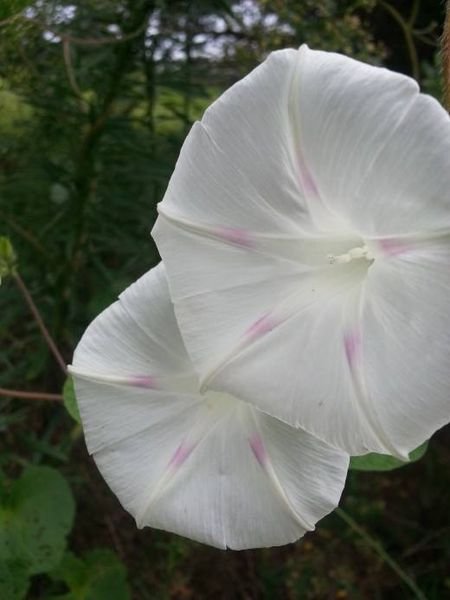
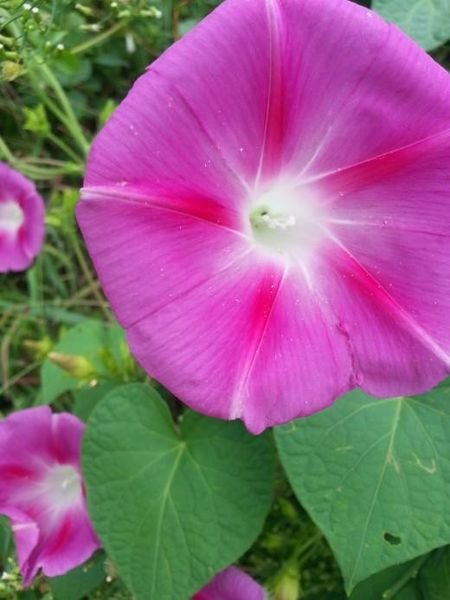
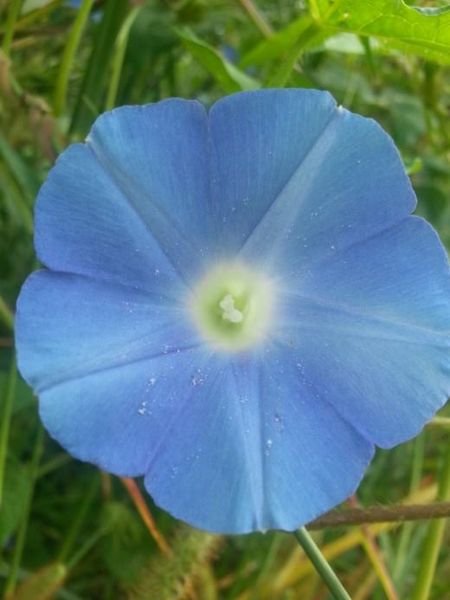
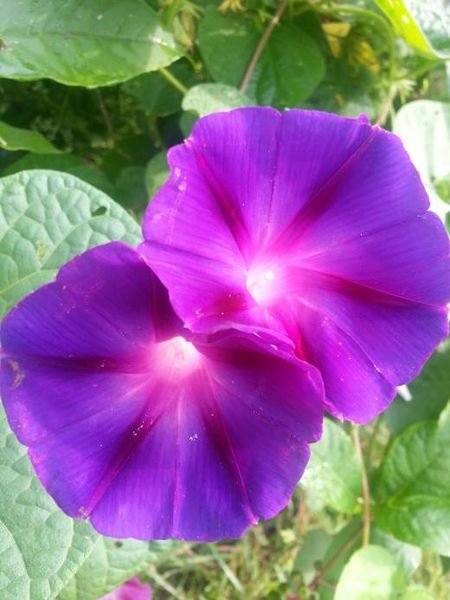
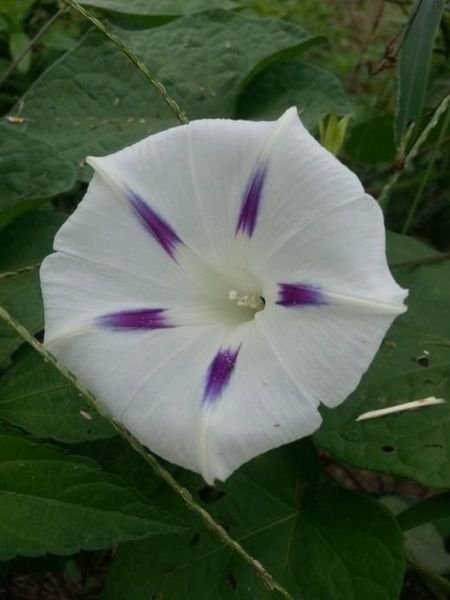
So I was delighted when bunches of colorful ones sprang up on my neglected lawn. They were morning glories, and I was amazed at the colors and variegations, so I took photos, wrote a bit of prose, and did some research on the common morning glory.
Ode To The Morning Glory
I can always count on your pretty face to grace the day’s beginning.
Your soul unfurls wide open,
No secrets to hide,
To embrace each morning, no matter how misty.
As the sun climbs high, you seem to disappear
All shriveled, faded, and spent.
But you’re still there.
The cool darkness nourishes your soul with dew
You rest
And I see you again the next morning.
Facts About Morning Glories
- Morning glories bloom in the early morning, fade, and curl up a few hours later.
- Cultivars have been developed, and seeds are available to grow them in gardens.
- In the Australian bushland, morning glories grow dense with thick roots and are seriously invasive.
- Some morning glory species were used in ancient China for medicinal purposes.
- Mesoamerican civilizations used one species of morning glory and other plants to produce rubber.
- Aztec priests used the morning glory’s hallucinogenic properties.
- One species is used as a vegetable in East and Southeast Asian culinary dishes.
- The Japanese were the first to develop cultivars for morning glories.
- One species known as moonflower blooms at dusk instead of in the morning.