
Homeschool Ideas for a Solar System Project
Lots of people are homeschooling these days. It’s been legal in all 50 states since 1993, and each state has its own guidelines. The statistics on homeschooling are impressive, and the graduation rate for homeschooled students is 66.7 percent higher than that of other groups, according to the Home School Legal Defense Association.
Some parents try homeschooling and give up, while others get guidance and stick with it. Sometimes, homeschooling arises out of necessity due to illness, accidents, poor choices that result in suspensions, or the 2020 coronavirus pandemic.
Whether you’re homeschooling by choice or for other factors, a cooking project like solar system cupcakes makes learning more fun. Your homeschooler will be motivated to dive into a unit on the solar system. (P.S. Regular schoolers will too!)
Solar System Cupcake Lesson Idea
One of the most fascinating topics to explore is outer space. However, some kids need more motivation than others to seek out knowledge. The way to a kid’s brain may be through the stomach.
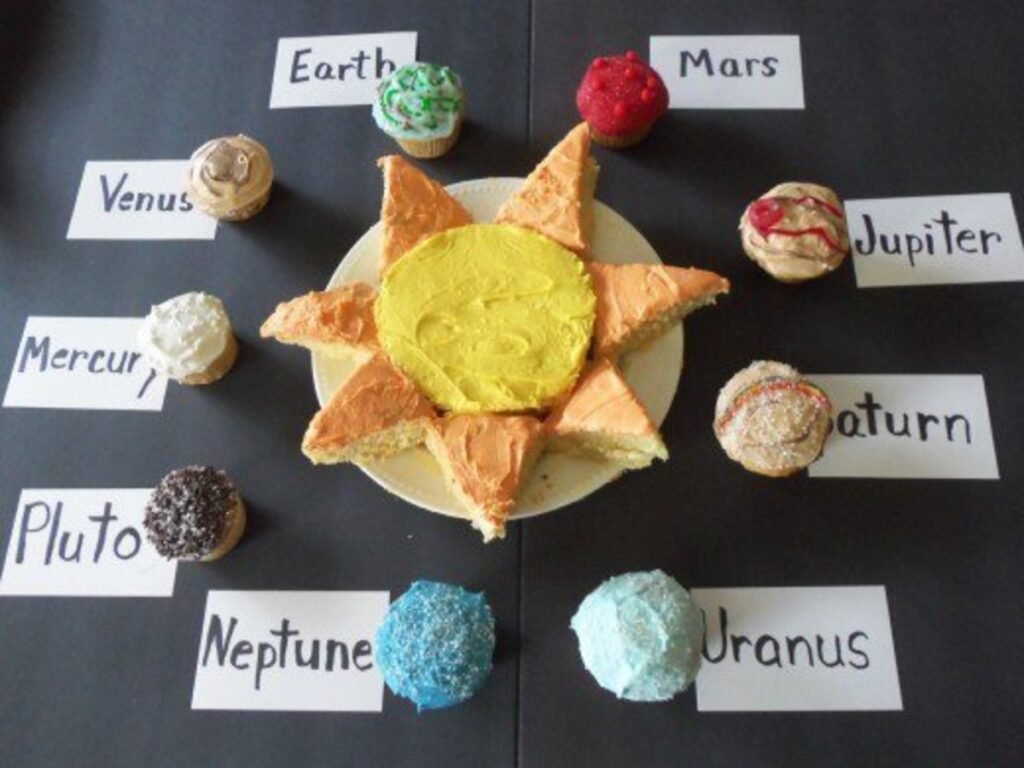
Grab their interest in learning about the solar system by helping them bake and decorate solar system cupcakes! Each cupcake represents one of the planets in the solar system and orbits around a big yellow sun cake!
STEM Objectives
Solar system cupcakes are a good break from the hum-drum of measuring and cooking and coordinate with STEM learning objectives. After you’ve gotten their attention making the cupcakes, check out the cool space exploration learning resources at the end of the article.
Ingredients
Use your favorite cupcake or cake mix (or your favorite from-scratch recipe) and various icings and sprinkles to help decorate the planets. Here is a list of what we used for decorating the sun cake and the cupcakes:
- 2 boxes of cake mix (add eggs, oil)
- 1 (7-ounce) tube of red decorator icing
- Red + yellow food color (mix to make orange icing)
- Blue food color
- Wilton decorating gels in green, pink, purple, yellow, and sparkle white
- Cake Mate decorator cupcake gems
- Shimmer white sugar sprinkles
- Cinnamon drop sprinkles
- 16 ounces of Betty Crocker Frosting Starter
- Packets of mocha almond, caramel, and cotton candy flavor for the frosting starter
- Red sugar crystals
- 1 (16-ounce) can of white cake frosting
- Life Saver candies
Equipment
- Round cake tin or tins
- Cupcake tin
How to Prepare the Sun Cake
- Prepare the batter according to the package or recipe directions. Also, prepare your round cake tin(s).
- For the sun, bake two single-layer round cakes.
- Once the cakes are cool, frost one yellow and one orange.
- Cut the orange cake into “pie wedges” and place it around the yellow cake to represent a glowing sun (see the photo at the top of the article).
How to Prepare the Planet Cupcakes
- Prepare the batter according to the package or recipe directions. Also, prepare a cupcake tin.
- For each of the four terrain planets, fill the cupcake tins half full with batter and let the kids add a dollop of red icing to cook inside. This will help teach them that planets have hot molten cores.
- For Pluto, which is technically a dwarf planet, fill the cupcake tin half full to represent its small size.
- For the four giant gas planets, fill the tins up a little fuller with batter so they will look bigger.
- Bake the cupcakes according to the instructions on the package or in the recipe you’re using.
- Once the cupcakes are cool, decorate them as described below.
How to Remember the Order of the Planets From the Sun
My—Mercury
Very—Venus
Educated—Earth
Mother—Mars
Just—Jupiter
Served—Saturn
Us—Uranus
Nine—Neptune
Pizzas—Pluto (a dwarf planet)
1. Mercury
With an orbit equivalent to 88 Earth days, Mercury is the fastest planet around the Sun. However, it rotates very slowly, about one rotation for 59 Earth days. Like Earth, it is a terrestrial planet and is thought to also have a molten iron core.
Mostly composed of rock and metals, Mercury is full of craters like the Moon. Although it is dry, hot, and airless, this planet has H2O ice at both poles that lies deep in the craters—so deep that the heat of the sun does not completely melt it. It is dusted with a thin layer of minerals called silicates.
How to Decorate Mercury
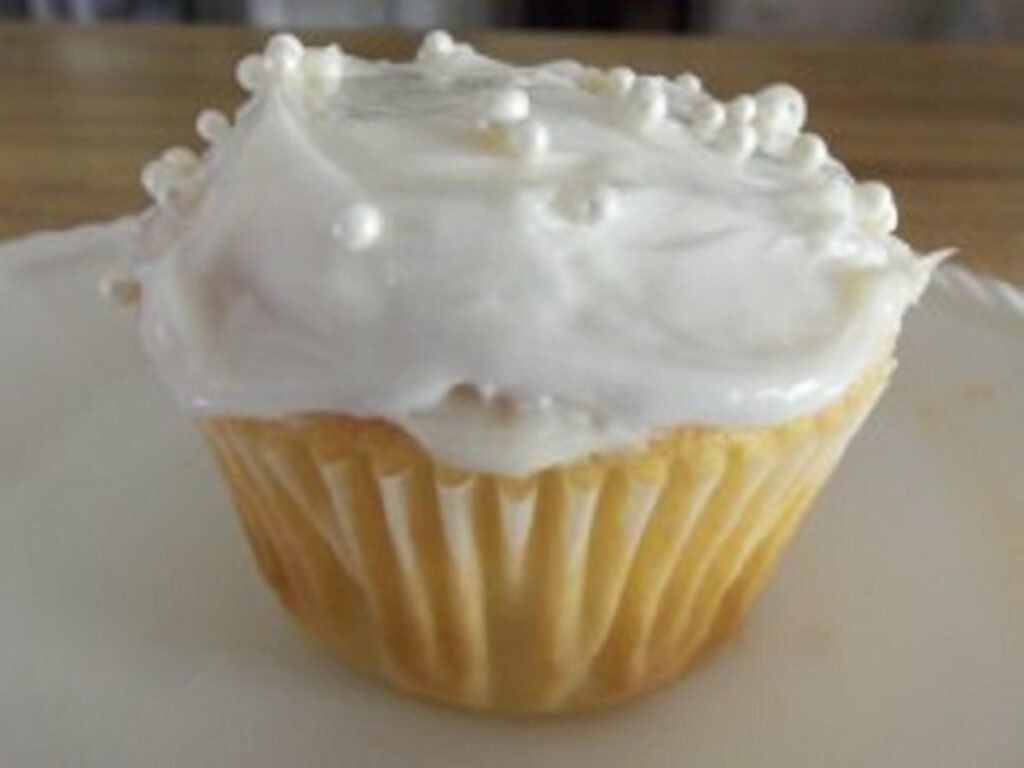
Frost Mercury with white icing and add white cupcake gems to represent a rocky planet with craters.
2. Venus
Also known as the morning and evening “star,” Venus is a terrestrial planet that is the brightest object in the night sky after the moon. Similar in size to Earth, it is the closest planet to Earth and is referred to as our sister planet. It is also thought to have a hot molten core.
Images of Venus show a variety of landforms: mountains, rolling plains, and volcanoes made of hot lava. With a very dense atmosphere, this planet probably had water like Earth, but it boiled away—which is exactly what would happen to Earth were it closer to the Sun!
How to Decorate Venus
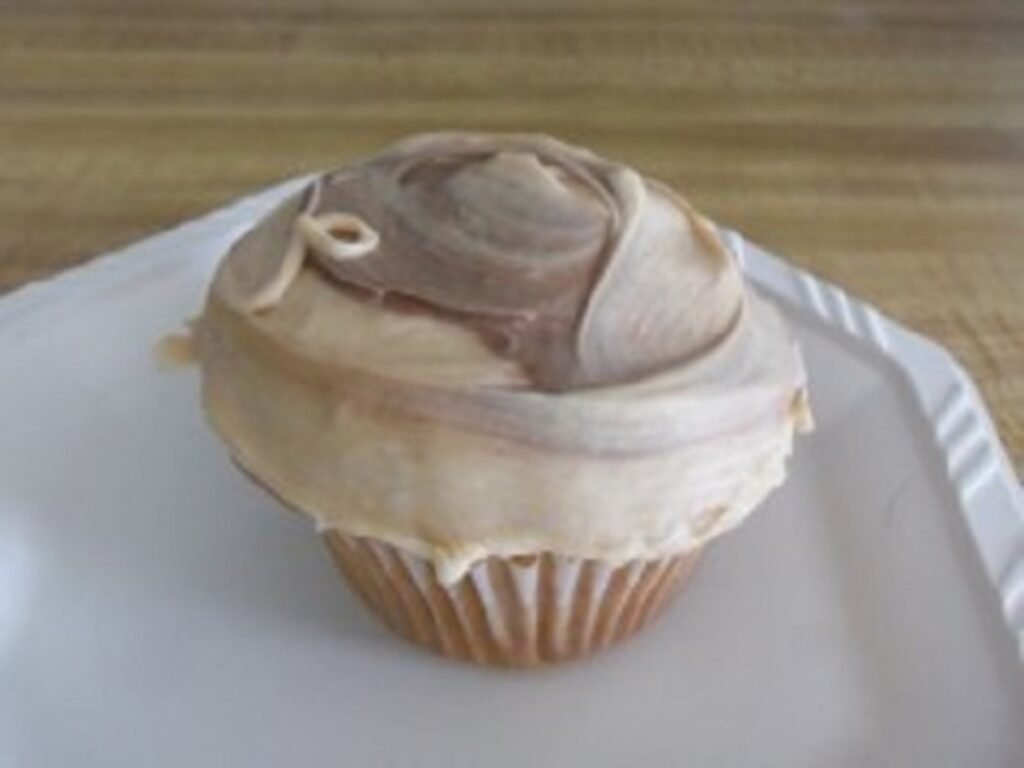
Frost Venus with caramel icing (use just enough of the caramel frosting starter mixed in 1/2 cup white frosting). Swirl in some of the mocha chocolate frosting (mix the mocha frosting the same way you did the caramel).
3. Earth
Home, sweet home! Earth is the only known planet in the solar system that supports any form of life. That’s because it abides by the “Goldilocks Law,” being neither too hot nor too cold but just right.
The Earth’s distance from the Sun allows us to live in comfort as far as temperature goes. Well, most of the time, anyway. Sometimes it is hard to believe that our home planet is three-quarters water. Images of Earth show a beautiful blue ball spun with green, brown, and white.
Since scientists live here, we can, of course, learn more about this planet. We know that it is about 4.5 billion years old and that the temperature of the inner core is 7500° Kelvin—that’s 13,040.6° Fahrenheit, which is hotter than the sun! The surface of Earth is constantly changing due to things like erosion and earthquakes.
How to Decorate Earth
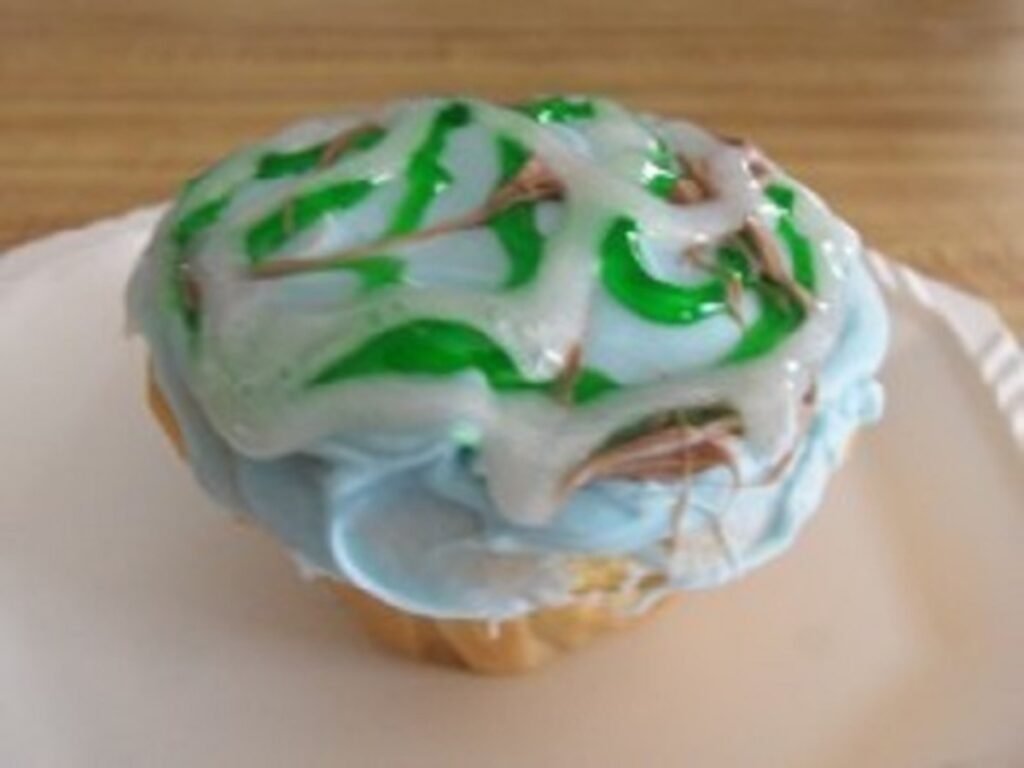
Tint some of the white frosting with blue food coloring. Swirl with green and white decorator gel. Use a toothpick to swirl in a bit of mocha chocolate icing.
4. Mars
Mars is known as the red planet. It has been easy for spacecraft to get images of Mars because they have landed on the planet.
For a long time, Mars was voted the “planet most likely to have life other than Earth,” and science fiction writers liked writing about it. The last terrain planet, Mars, has about the same land as Earth, but it is much smaller and has no oceans. However, scientists think Mars might have once contained bodies of water.
This dusty, rocky planet has a cold, dry atmosphere. Like the other terrestrial planets, it probably has a hot, molten core.
How to Decorate Mars
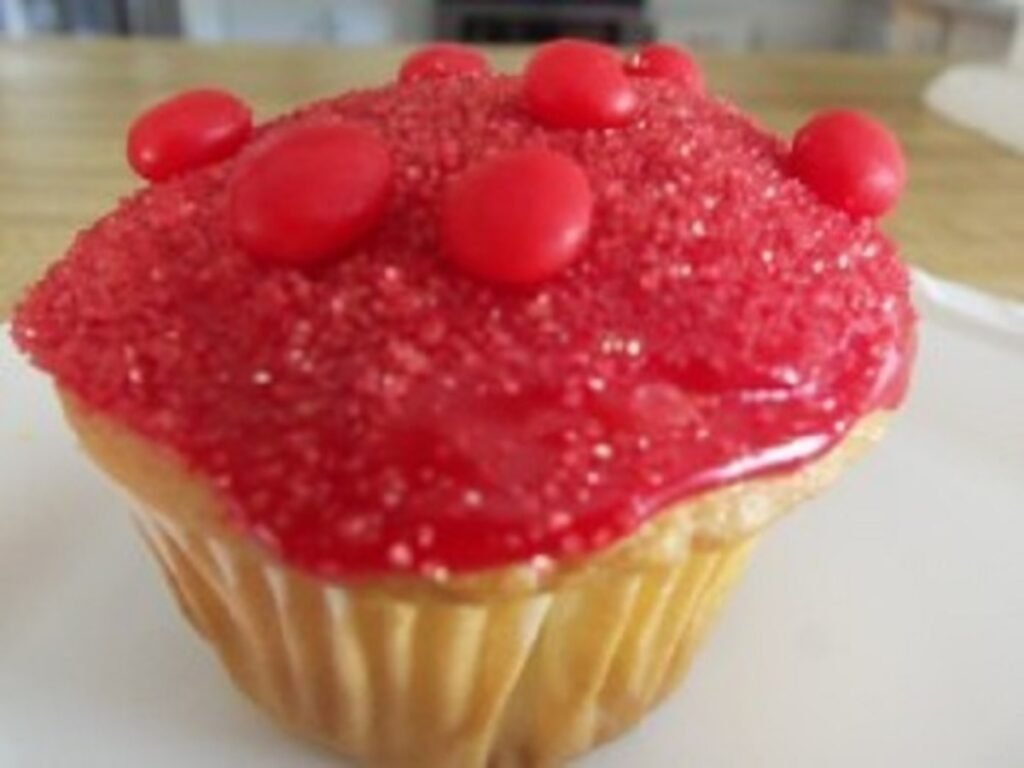
Frost Mars with red icing, sprinkle with red sugar, and place cinnamon sprinkles on top for Mars’ rocky, dusty surface.
Note: Don’t try to color white frosting with red food coloring; it will just turn dark pink.
5. Jupiter
Jupiter is the largest planet and the third brightest object in the night sky. With no solid surface, it is the first gas planet in our solar system. It is composed mostly of liquid hydrogen with traces of methane, water, and ammonia.
Jupiter has a rocky core made of various ices or solid gases and is surrounded by small, faint rings. The vivid bands of color seen in images of this planet are probably due to chemical reactions of trace elements in the atmosphere. There are wind bands of high-velocity winds on Jupiter and a giant red spot, which is a high-pressure region with higher, colder clouds.
How to Decorate Jupiter
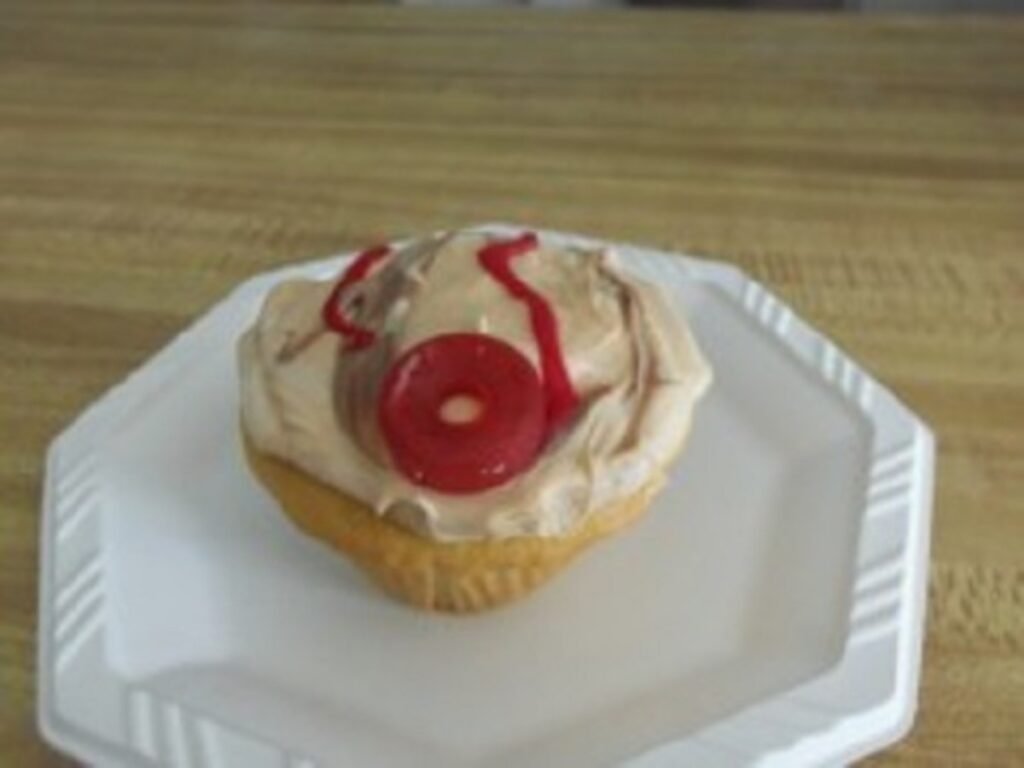
Frost Jupiter with caramel frosting and swirl in mocha chocolate and red frosting. A red Life Saver candy does a good job of representing Jupiter’s Great Red Spot.
6. Saturn
Saturn is a cold planet located far away from the Sun. This planet is surrounded by very thin rings made of rocky particles coated with H2O ice. Images of Saturn also show bands of color like Jupiter, only fainter. Gas ices have formed on Saturn. Helium, the gas that makes balloons float in the air, can be found here.
As Earth is the densest planet, Saturn is the least dense. Some scientists think this planet is so light it could float on water! This could make sense. Think about how light helium is and how easily balloons filled with helium float away.
How to Decorate Saturn
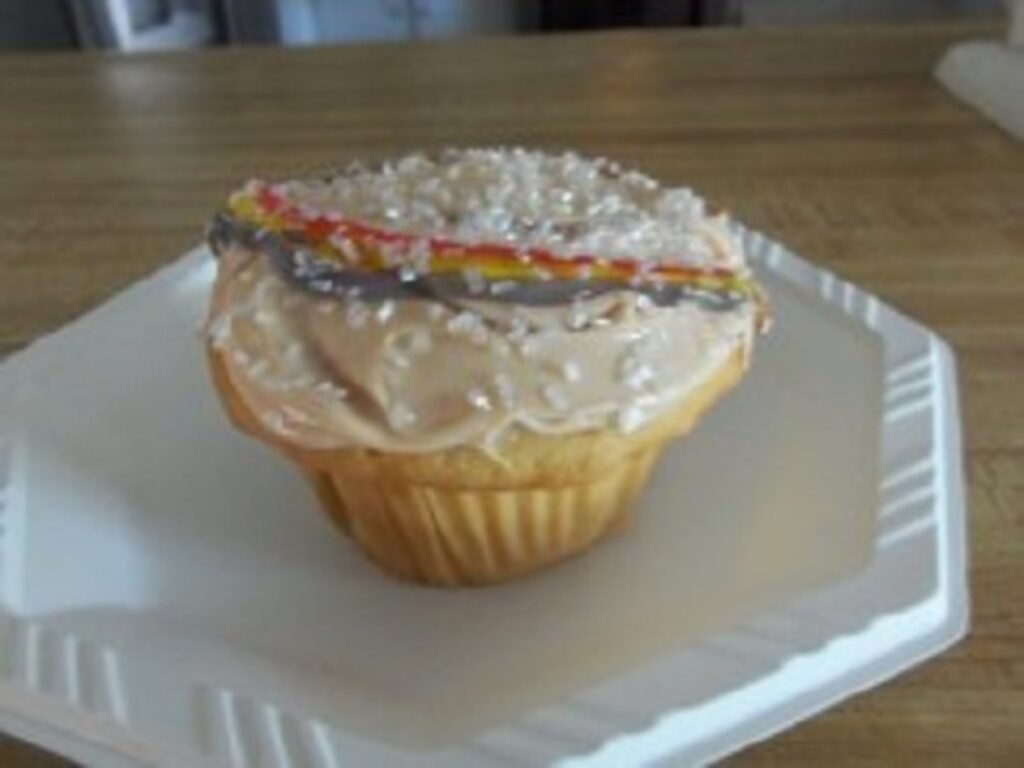
Frost Saturn with white frosting. Use the purple, pink, and yellow gels for Saturn’s rings. Sprinkle with shimmer white sugar to represent the ice.
7. Uranus
As we travel through the solar system, the planets furthest from the Sun are harder to see. They are also the hardest to learn about. Uranus is the next gas planet in the solar system. Images show Uranus as being a beautiful shade of blue due to methane gas in its upper atmosphere. Scientists think that this planet probably has bands of color like Jupiter, but they are hidden by the methane layer surrounding it.
How to Decorate Uranus
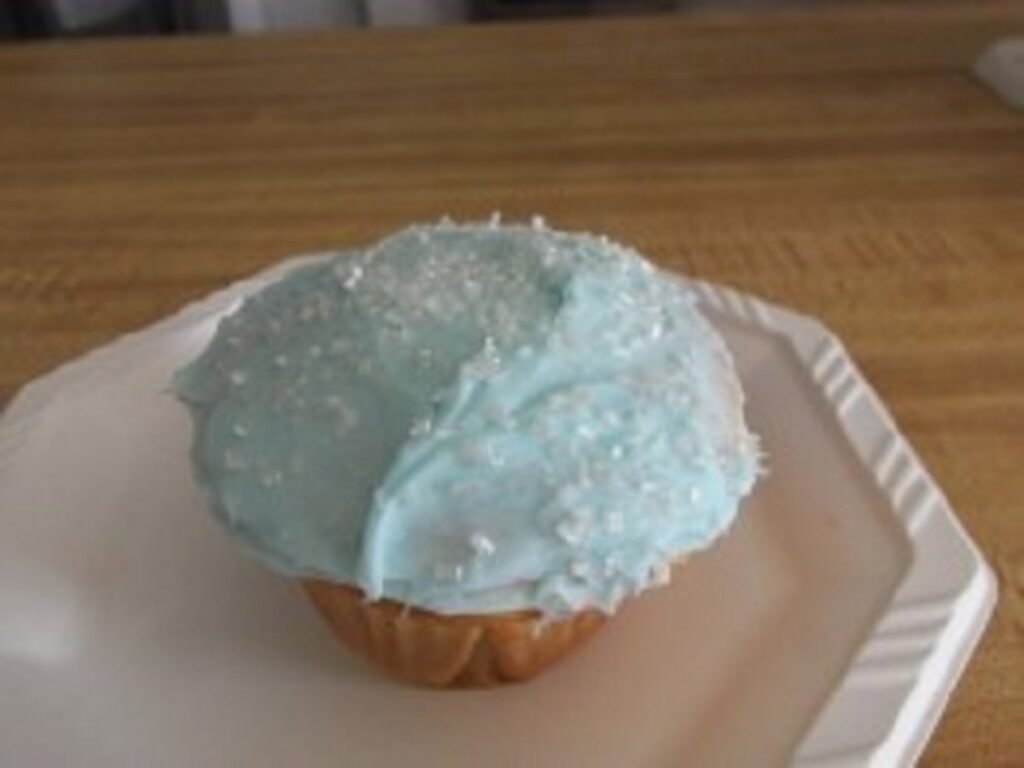
Frost Uranus with frosting starter mixed with some of the cotton candy flavor packet. Add shimmer white sugar to show its cold surface.
8. Neptune
Neptune is the last gas planet in the solar system. Now getting still colder and darker, this planet appears deep blue in images. Hydrogen and helium are the two known gases that make up Neptune’s composition.
It’s located so far away from the Sun that it takes Neptune 165 Earth years to orbit the Sun once. In fact, in 2011, the planet completed its first orbit since its discovery in 1846. Neptune is whipped by very strong winds, up to 2,000 km per hour!
How to Decorate Neptune
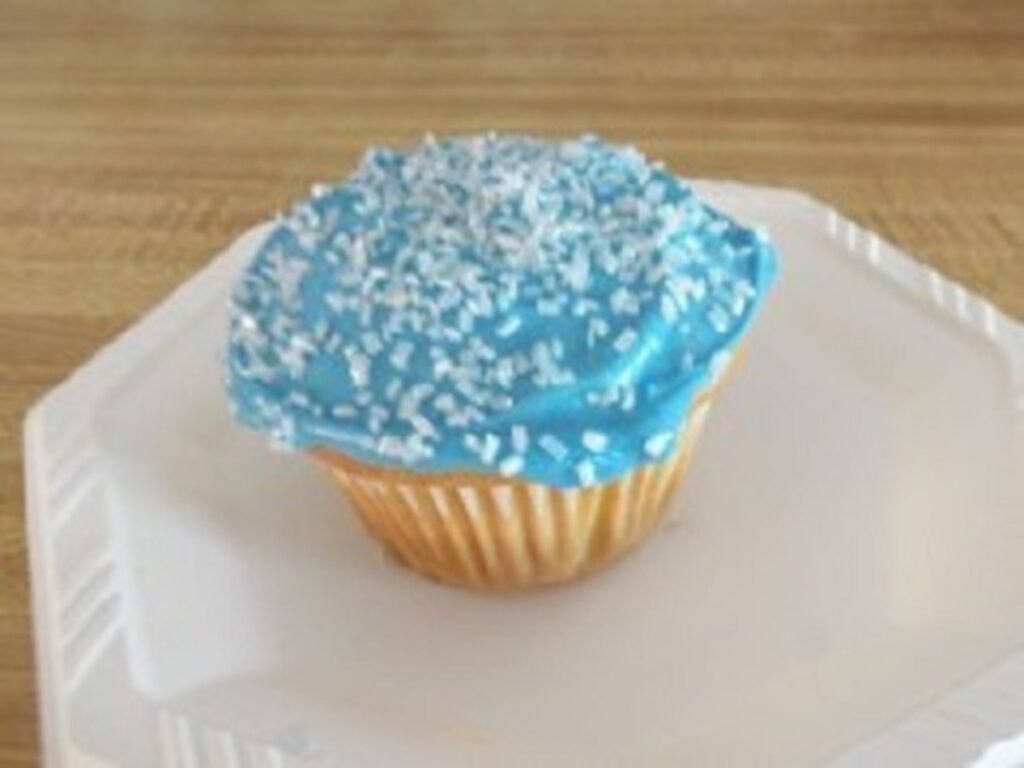
Tint some white frosting with blue coloring. Use more to make it darker than the icing used for Earth. Sprinkle with shimmer white sugar.
9. Pluto
Poor Pluto was dropped from the list of planets in our solar system in recent years. It is now considered one of the dwarf planets. It’s located so far from the Sun that it is in constant darkness. Only Hubble has been able to show very faint images of the largest of Pluto’s features.
How to Decorate Pluto
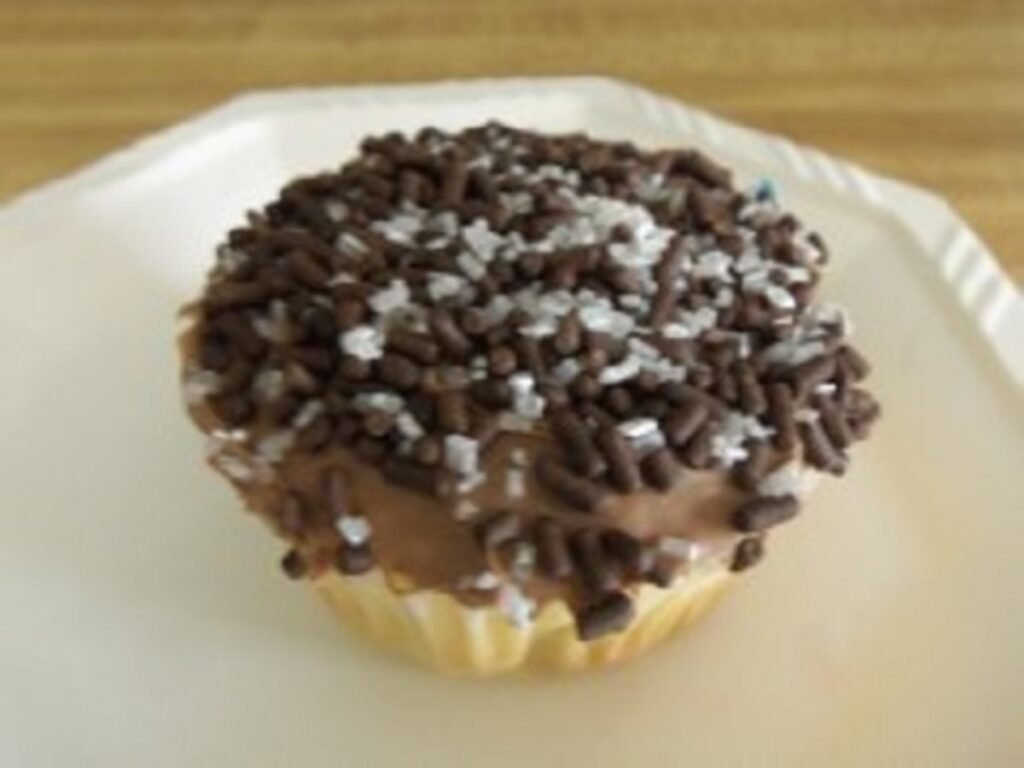
Frost Pluto with mocha chocolate frosting. Sprinkle with chocolate sprinkles and shimmer sugar.
Solar System Learning Resources
Homeschooled or not, with so many interesting topics to explore on the internet, kids today have such an advantage when it comes to both learning and being entertained at home. Kids at home for the summer or on a cold winter weekend have no excuse for boredom anymore. When I was growing up, television and glossy color photos in the encyclopedia were as good as it got.
Today, a multitude of cool websites feature fantastic “close-up” and real photos taken by satellites sent into space. Some of the sites are interactive. Here are a few recommendations for additional resources to incorporate into your lesson:
- Explore the solar system and beyond with fascinating facts, figures, and photos of planets, moons, comets, the sun, and more at NASA’s site for students.
- This interactive worksheet from Education World teaches the characteristics and order of the planets. Download it for free.
- Learn the latest space news and see real photos and videos at Hubblesite.org.
- Scholastic, a long-trusted publisher of educational materials, features Study Jams: 6 Solar System Interactive Activities. Use the quizzes for pre- and post-testing.
- Play video games that teach solar system concepts at Legends of Learning.
- Play interactive solar system games and get ideas for crafts and activities at the NASA Space Place.